
From product led to needs led: reframing the protection adviser conversation
Jul 27, 2026
Learn how you can reframe your client protection insurance conversations through better fact finding.
"You mentioned you do not have any cover in place. I recommend we look at some income protection and life cover today. Here is how the product works..."
If you are a protection or mortgage adviser, this probably sounds close to home. A client hints at a gap. From there you talk through features, options, and price. The fact-find gets completed, the compliance box is ticked, and a product recommendation follows.
On paper, everything looks fine. In real life, the conversation has stayed on the surface.
Your client may still not have thought through what would actually happen if their income stopped.
The shift from product-led to needs-led does not start at the recommendation stage. It starts much earlier, with how you use your fact-find.
You probably know your product menu inside out. It is natural to lean on that strength. A client mentions a mortgage, a new baby, or a business, and your mind jumps straight to a familiar product solution.
The difficulty is that product led conversations:
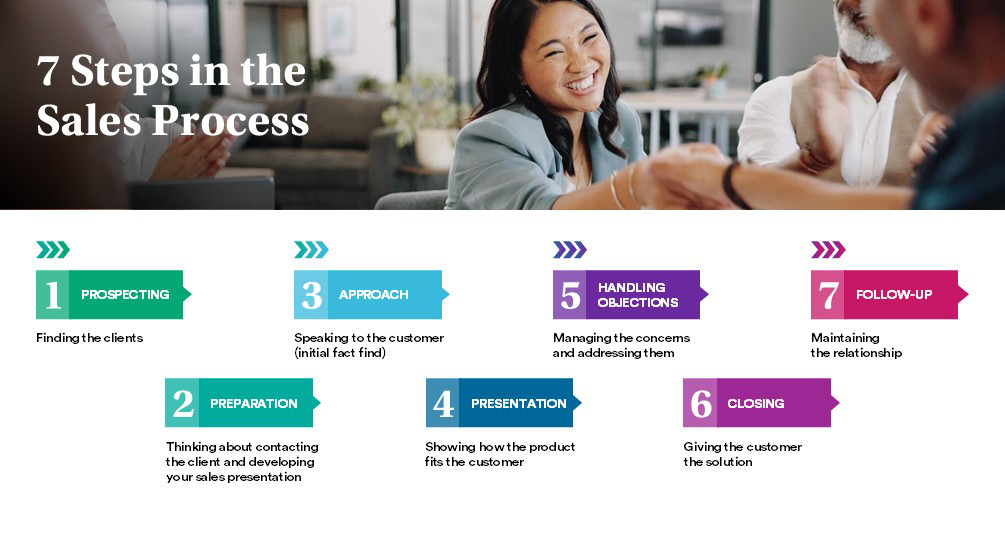
MetLife’s sales process framework sets out seven steps, from prospecting through to follow up.
Fact finding and preparation sit right in the middle of that journey. When those stages become a script to get through, rather than a chance to understand the person in front of you, the whole conversation narrows.
A strong product recommendation still matters. The quality of that recommendation, though, depends on the depth of the conversation that came before it.
Your clients do not arrive with a neat list of risks. They arrive with fragments.
"We are just about managing each month."
"I am self-employed so I cannot really afford to be off work."
"We have some savings, but they would not last long."
Behind these comments sit very real customer fears that often people will feel uncomfortable talking about.
The Everyday Risk narrative shows how often everyday accidents and illnesses disrupt lives. Trips, falls, broken bones, and hospital stays are common. Yet many clients still see these events as bad luck, not as financial risks that can be managed.
Effective fact finding brings those hidden worries into the open. It turns vague concerns into clear needs. It gives your client words for risks they have never named before.
Fact-finding can sometimes feel like the paperwork before the real work starts. In reality, it is the most powerful advisory tool you have.
Used well, a fact find helps you:
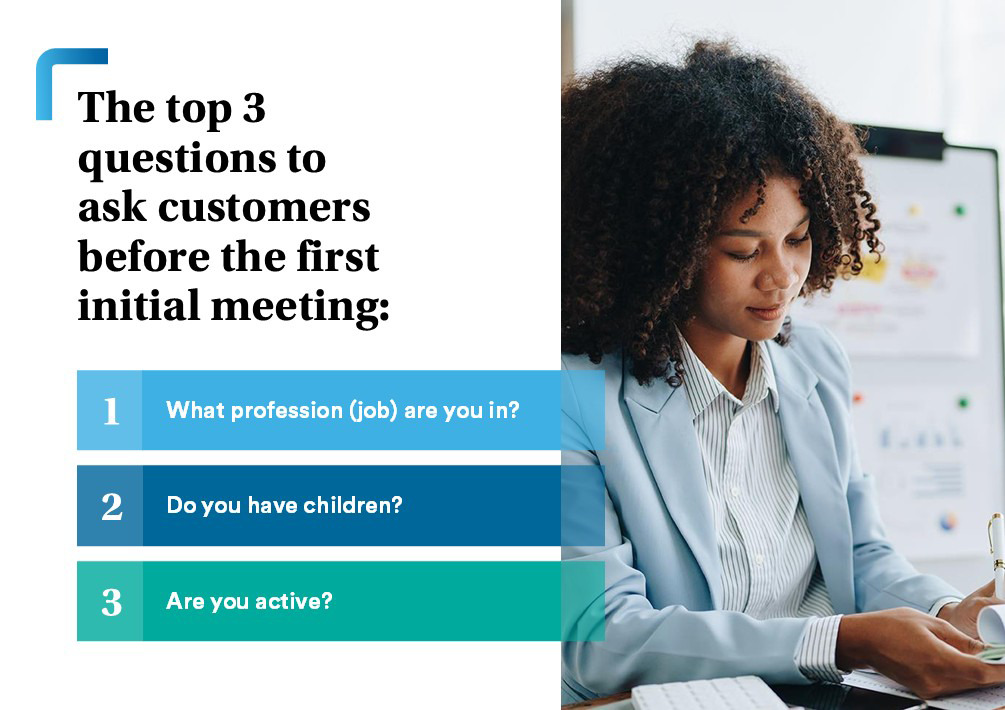
MetLife’s guidance on fact finding and preparation encourages you to ask simple but high impact questions early on. What job do you do. Do you have children. Are you active. These questions do more than break the ice. They frame the conversation around real life.
Aviva’s perspective reinforces the same point. Without understanding health, occupation, lifestyle, and existing arrangements, it is impossible to set expectations or design the right solution. The fact find is not just about eligibility. It is about relevance.
You are probably not short of questions. The challenge is how those questions are used.
Common pitfalls include:
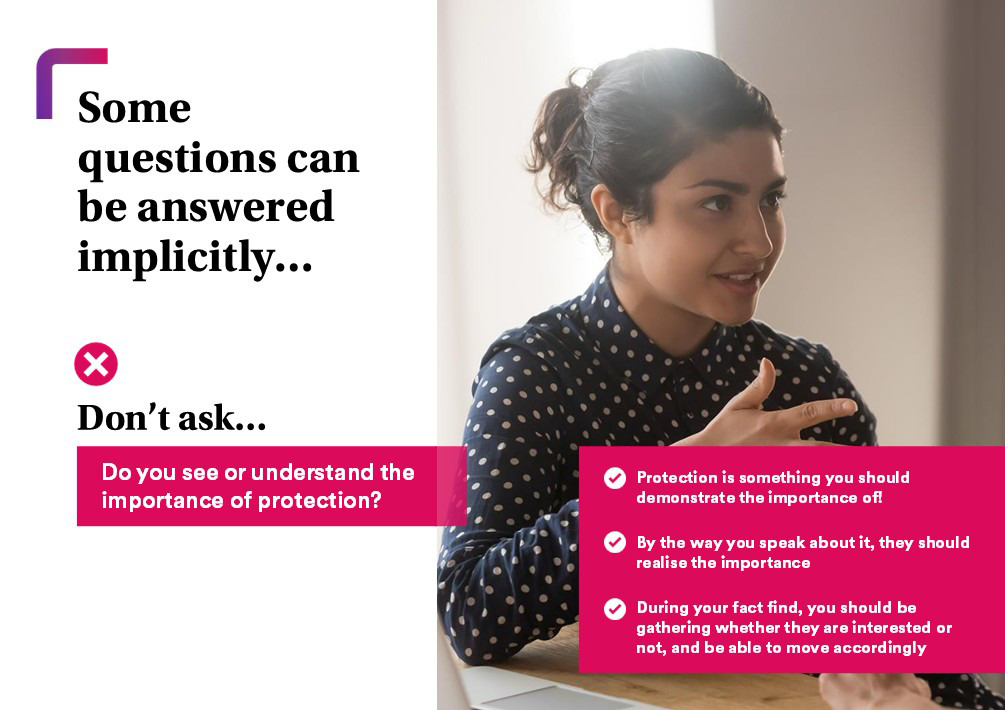
For example, asking "Do you understand why protection is important" puts your client on the spot and can feel patronising. We suggest that the importance of protection should be shown through the way the conversation is framed, not tested with a direct question.
A more effective approach is to use checks on understanding that keep your client in control, such as "Do you see how this policy fits the priorities you mentioned?" or "Where do you feel this cover would help you most?".
Needs-led, risk-led conversations feel different from the start. They are structured, but they do not feel scripted.
A simple structure might look like this:
The tone stays curious and collaborative. You are not positioning protection as an extra. Instead, protection becomes a natural response to the risks your client has described.
Small changes in wording can shift the whole feel of a fact find. Here are practical questions and techniques drawn that you can use straight away.
Ask three simple questions when you book the appointment:
Move beyond the number on the payslip.
Instead of "What is your income", try "If your income stopped, what are the essential monthly costs you would still need to cover".
Then follow up with "How long could you maintain those costs from savings or support".
Replace distant hypotheticals with real experiences.
Ask "When was the last time someone you know had to take time off work due to illness or injury".
Then ask "What impact did that have on them financially".
This anchors the conversation in events your client has seen, not abstract scenarios.
Use this checklist for your discussion:
These questions reveal both strengths and gaps in their current arrangements.
Once you have explored the risks and potential solutions, ask:
This keeps your client at the centre of the decision and supports Consumer Duty outcomes.
Reframing your role from product expert to risk guide does not mean knowing less about products. It means using that knowledge differently.
When fact finding is treated as the core skill, not a compliance step, several things happen:
Better fact finding is not about longer appointments. It is about better questions, better listening, and better preparation.
If you want to grow your protection business, the most powerful change is not a new product or a new sales technique. It is a renewed commitment to needs-led, risk-led conversations that start with understanding your client’s world in detail.