
The protection gap: why most clients are more exposed than they think
Jul 27, 2026
Picture a typical client. Two incomes coming in. A couple of children at school. A mortgage that feels manageable most months. There is a bit of saving happening, but not as much as they would like.
Now add one everyday event.
A fall on the stairs that results in a broken ankle. A child who needs a short stay in hospital after a playground accident. A stress-related illness that takes someone off work for a few weeks.
These are not rare events. MetLife’s Everyday Risk Report shows that 36% of hospital stays are caused by trips and falls, and that 148.9 million working days were lost to sickness or injury in 2024. Almost half of adults have broken a bone at some point, and over a third say the same about their children.
The medical side is often fixable. The financial side can be far more damaging. Especially when there is little or no protection in place.
The protection gap is the space between what clients think would get them through a problem and what would actually be needed.
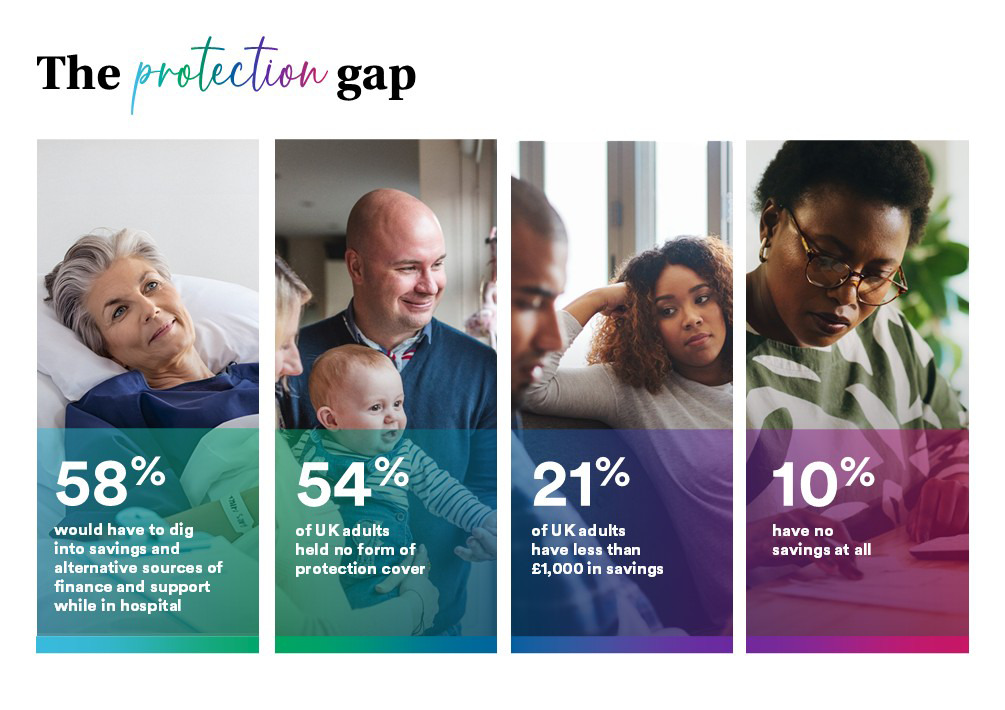
Many UK adults sit in that space. The Everyday Risk Report highlights that over half of UK adults have no protection at all. Around 21% have less than £1,000 in savings. Ten percent have no savings at all.
When something goes wrong, they are forced to rely on savings, family support or short-term debt.
For advisers, this is not about a lack of products. It is about a mismatch between perceived and actual risk. Clients assume that Statutory Sick Pay, employer benefits or their savings will be enough.
The data shows that this confidence is often misplaced.
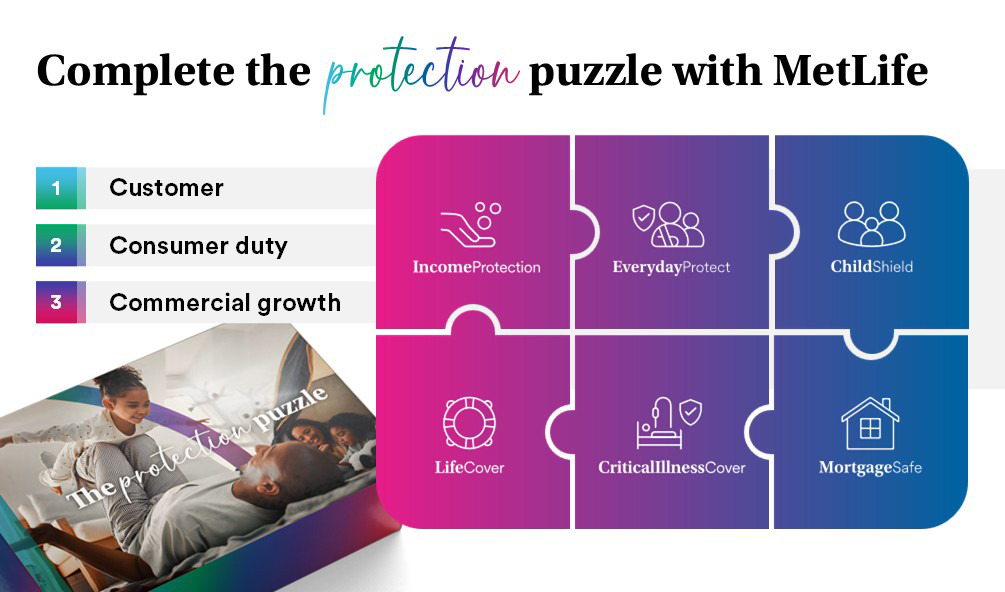
A clear way to frame it with clients is to ask three questions.
The gap reveals itself very quickly in that conversation.
Risk is not spread evenly. The Everyday Risk Report, together with wider market data, points to several groups who are particularly vulnerable.
First are households with low financial resilience. Single parents stand out.
Almost six in ten lone parents are classed as having low financial resilience. Many would struggle to cover more than a week of living costs if their main income stopped.
When everyday accidents and illnesses are on the rise, this is a fragile position.
Second are the self employed.
Around 4.57 million people in the UK work for themselves. Many have no access to employer sick pay and rely on Statutory Sick Pay or nothing at all. A short period of illness can quickly turn into missed mortgage payments or business disruption.
Third are young adults and renters. 72% of young adults say household bills feel like a heavy burden. Private renters spend over a third of their income on rent. Any interruption to income or extra cost, such as a hospital stay, has an immediate impact.
Finally, unpaid carers carry hidden risk. The report notes that 11.9 million people are providing unpaid care. Many reduce hours or leave work altogether.
They are exposed to both a drop in income and an increase in day-to-day costs, often without a protection plan that reflects this new reality.
Bringing these segments to life in conversations helps clients see themselves in the picture, rather than viewing protection as something for other people.
Most clients do not ignore risk on purpose. They misjudge it for understandable reasons.
Everyday accidents and short-term illnesses feel ordinary. A fall, a broken bone or a short hospital stay can be brushed off as an inconvenience rather than a financial threat.
Yet the report shows that the average hospital stay for a fall, trip or bump is four and a half days. For many households, that means several days of lost income, extra travel, childcare or parking costs and the possibility of a longer recovery period.
Customers also lean heavily on assumptions.
They assume their employer will continue to pay them. They assume savings will stretch further than they actually would. They assume that if something serious happened, they would “find a way”.
In reality, 54% of UK adults have no protection cover, and many have minimal savings. The “find a way” often means credit cards, overdrafts or help from family.
Behavioural biases play a part too.
Optimism bias leads people to believe that bad things are more likely to happen to others. Present bias means that today’s bills and wants feel more pressing than future risks. These patterns make it harder for clients to choose protection unless the conversation feels concrete and relevant.
Stronger outcomes come when advisers reframe the conversation around everyday life rather than products.
That starts with a simple narrative.
Using real language helps.
For example. Instead of saying “You have a protection gap” you might say “There is a shortfall between what you would need if you were off work and what you have in place today.”
Instead of “This product will pay X in Y circumstances” you might say “If you were off work for a month with this cover, you would receive £X. This could help with your bills while you recover.”
Referencing that 26.3 million people attended A&E in 2024, or that children are highly susceptible to accidents, makes it clear that these are everyday realities, not edge cases.
A few small changes can make protection conversations more effective and more comfortable for both adviser and client.
First, start earlier.
Raise protection before the end of the meeting. Position it as part of the core conversation about keeping the home and lifestyle secure, rather than as an optional extra.
Second, use simple stress tests.
Ask clients to walk through a short scenario.
Third, connect solutions to specific risks.
Without going into product detail too early, help clients see that different types of cover support different parts of their life. Income related cover supports regular bills. Hospital or accident-related cover supports the unexpected costs that come with treatment and recovery. Child specific cover helps parents stay present when their children need them most.
Finally, normalise review. Make it clear that protection is not a one-time decision. Life events such as a new child, a change in employment or taking on caring responsibilities should trigger a review.
This supports Consumer Duty expectations and builds long term relationships.
Everyday risk is rising. More accidents. More sickness. More pressure on household finances. At the same time, many clients remain under protected, often without realising it.
For advisers, this represents both a responsibility and an opportunity.
By grounding conversations in real life scenarios, using clear language and focusing on the client’s whole picture, it becomes easier to move protection from “nice to have” to essential.
Clients gain resilience. Advisers build deeper trust and more sustainable businesses.
The next step is to turn that evidence into everyday conversations that help clients feel confident that, when life is interrupted, they can focus on recovery rather than worrying about how to pay the bills.