
Why claims are where it all comes together
Jul 27, 2026
Claims is the proof-point of pure protection. In this article, we'll review how claims outcomes can shape perception, client trust and business growth.
Where pure protection works at claim, it can have a real impact on your business..
First, it can help to build client trust. A positive claims experience can help clients view you as a long-term partner rather than someone they dealt with at the point of sale.
It can also help open conversations around reviewing and updating cover as their lives change.
Second, it can have a positive impact on client retention. When clients see how their cover can support them, they may place greater value on maintaining it. They understand what they would be giving up.
Third, it can become a driver of new referrals. Advisers can build great client relationships off the back of positive claims stories.
All of this can really drive commercial growth.
A client’s view of protection changes the second something goes wrong. In that moment, the conversation they had with you months or years earlier stops being theoretical. It becomes the difference between financial hardship and keeping your head above water.
MetLife’s Everyday Risk Report shows how common these moments are.
Almost half of UK adults have broken a bone. Over a third say the same for their children. In 2024 there were 148.9 million working days lost to sickness or injury, and 26.3 million A&E attendances.
For advisers, this is where everything comes together. The quality of your fact find, the way you framed risk, how you structured the protection puzzle. All of it is tested at claim.
For many clients, a claim is the moment when the value of their cover becomes real. The experience they have during a claim can play an important role in shaping trust, confidence, and perceptions of value.
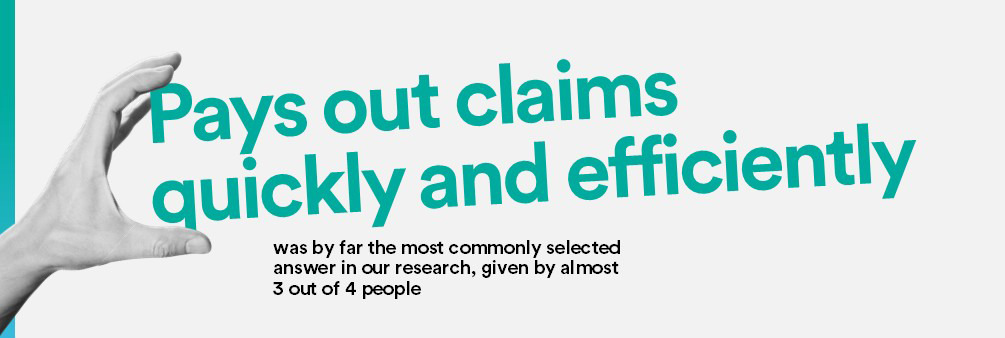
Clients rarely remember every feature or benefit. They remember how they were treated when they needed help and whether the cover did what they expected. Our Consumer Duty research found that the single strongest indicator of value for people buying protection is simple. A company that pays out quickly and efficiently.
Around three in four respondents chose this as their top signal of value. Cost still matters, but it sits behind confidence that claims will be paid and paid promptly.
For advisers, this has two important implications.
When claims are smooth, clients can feel reassured that they made a good decision and that you guided them well.
When they are not, they might question the product, the provider and the advice.
Advice gaps often become most apparent when clients try to claim but cannot. That's why claims are such a useful lens for improving both customer outcomes and commercial performance.
Common issues include:
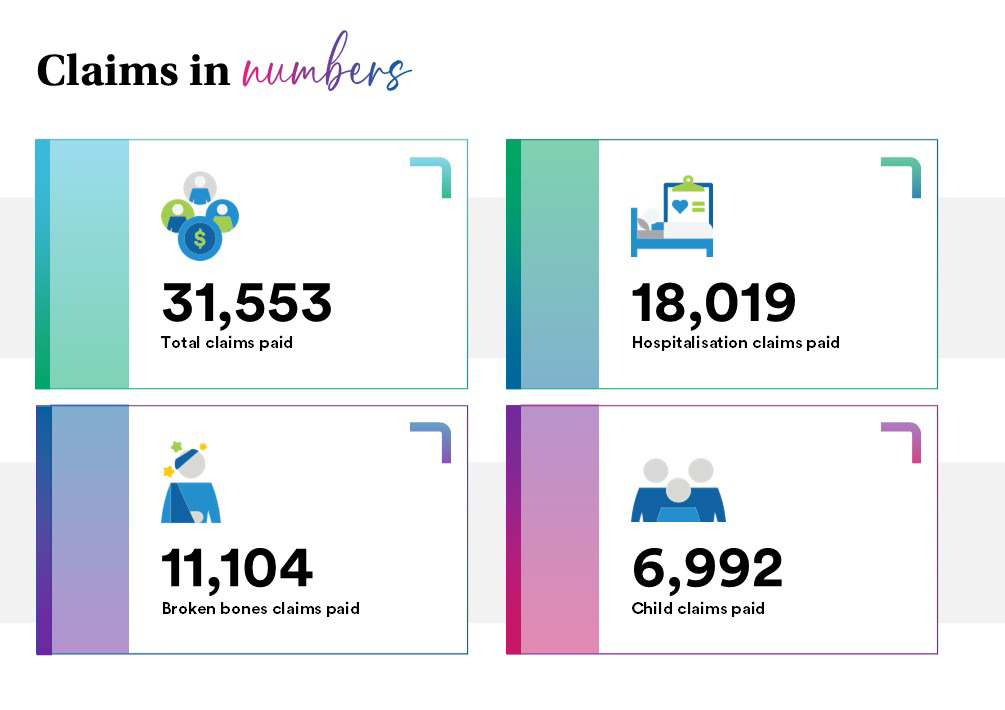
MetLife claims data brings this to life. In April 2025, 95 per cent of claims were paid within five business days.
More than half were for hospitalisation, and more than a quarter were for accidents or hospitalisations for children. These patterns show where real life risk sits and highlight how painful it can be when these areas are left unprotected.
Clients share their experience with family, friends, and colleagues. In a world where referrals and repeat business are critical, one poor outcome at claim can undo years of relationship building.
Better outcomes start long before a claim form is submitted. They start with better conversations.
Strong protection advice tends to share a few characteristics.
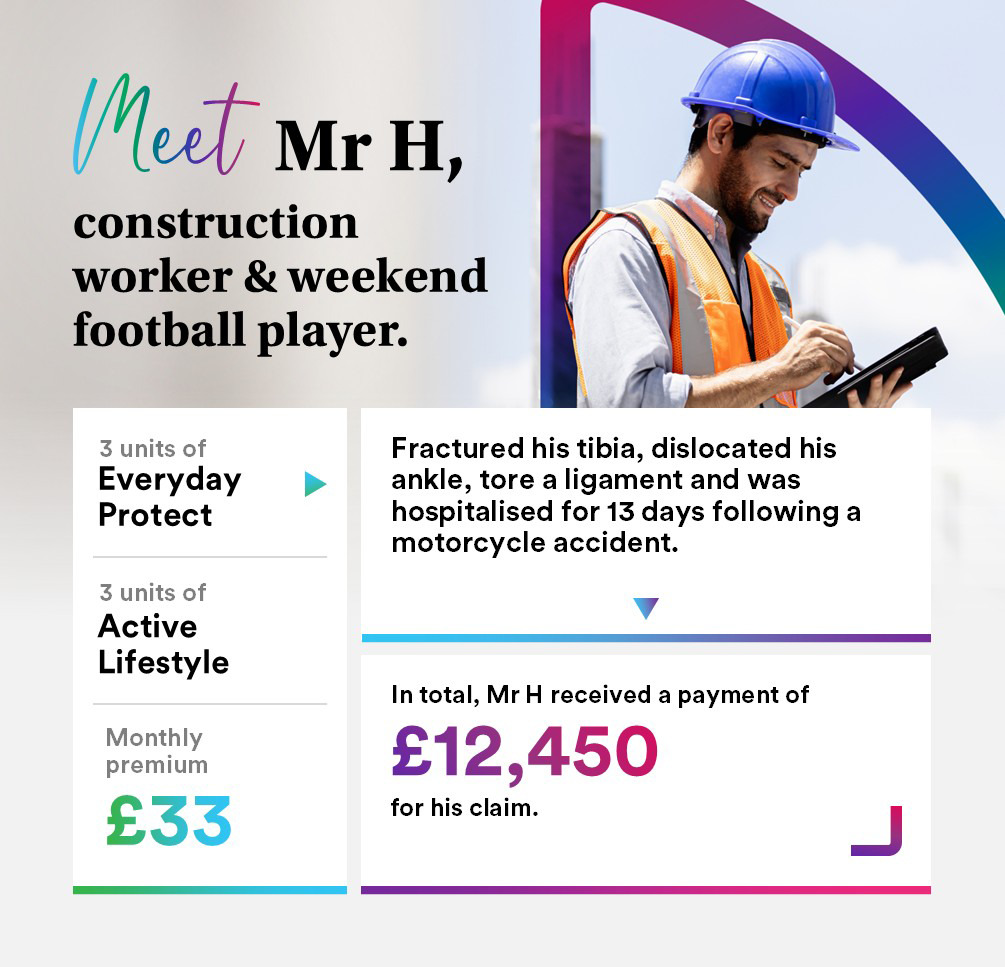
Consider a client like Mr H, a construction worker involved in a serious motorcycle accident. With accident and hospital cover in place, he received multiple payments for hospital stay, broken bones and ligament damage.
That claim not only eased his immediate financial pressure, it also reinforced his trust in his adviser. The same event without cover would have produced the opposite outcome.
The difference lay in the earlier conversation and how completely his risks were mapped and addressed.
Consumer Duty has pushed the industry to think more clearly about outcomes, value and understanding. One of the four outcomes focuses specifically on price and value. MetLife’s research shows that clients define value less by headline premium and more by whether the cover is appropriate, broad and responsive at claim.
Outcome-led advice supports this in three ways.
It supports ongoing reviews, which helps policies stay aligned to clients’ changing lives.
By focusing on the claim experience as the ultimate test, advisers naturally align with the spirit of Consumer Duty without turning every conversation into a regulatory lecture. Clients feel that their needs and outcomes sit at the heart of the advice.
A few simple shifts can make a big difference to future claims.
These habits help ensure that when clients need to claim, the experience matches what they were led to expect.